















Die in the Dungeon: The Dice-Based Roguelike That Turns Every Roll Into Survival
If you think dungeon crawlers are all about swords, spells, and predictable card decks, think again. Die in the Dungeon flips the entire formula on its head by replacing cards with dice—yes, actual dice—and turning every encounter into a gamble between strategy and luck.
In a gaming landscape crowded with roguelikes, this indie gem stands out for its originality, addictive mechanics, and surprisingly deep gameplay. Whether you’re a casual player or a hardcore strategist, this game offers a fresh experience that keeps you coming back for “just one more run.”
What Is Die in the Dungeon?
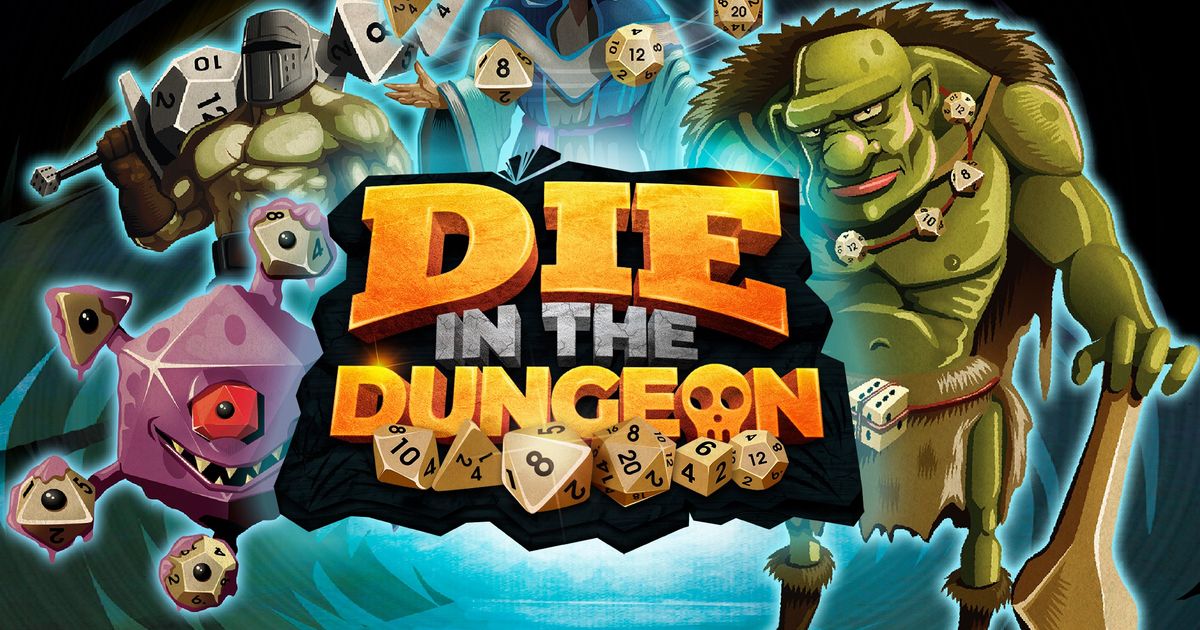
Die in the Dungeon is a turn-based roguelike deckbuilder where your “deck” isn’t made of cards—it’s made of dice. Each die represents an action such as attacking, defending, healing, or boosting other dice.
Originally developed as a small indie project and released on platforms like browser and PC, the game quickly gained attention for its creative twist on traditional mechanics.
The goal is simple: survive through a series of procedurally generated dungeon floors, defeat enemies, and build powerful dice combinations along the way. But don’t let the simplicity fool you—this game is all about mastering systems, managing risk, and adapting to unpredictable outcomes.
A Fresh Take on Deckbuilding Mechanics
Most deckbuilding games rely on cards, but Die in the Dungeon dares to be different.
Dice Instead of Cards
Every die in your inventory serves a purpose. Some deal damage, others block incoming attacks, while others enhance or duplicate effects.
This creates a dynamic system where positioning and timing matter just as much as strategy.
Endless Combinations
The real magic happens when you start combining dice. You can:
- Stack effects for massive damage
- Chain abilities for powerful combos
- Build defensive strategies that make you nearly untouchable
Because each run offers different dice and upgrades, no two playthroughs feel the same.
Risk vs Reward Gameplay
Dice introduce randomness, but that randomness is part of the strategy. Do you rely on a risky high-damage roll or play it safe with consistent defense?
That tension is what makes every decision feel meaningful.
Gameplay Overview
At its core, the gameplay loop is simple but deeply engaging.
Dungeon Exploration
You move through multiple dungeon floors filled with enemies, events, and rewards. Each run is procedurally generated, ensuring a fresh experience every time.
Turn-Based Combat
Combat happens on a small board where you place and activate dice. Each turn requires careful planning:
- Choose which dice to use
- Decide where to place them
- Predict enemy actions
Enemy Variety
The game features multiple enemy types, each with unique behaviors and attack patterns. Some are straightforward, while others require strategic thinking to defeat.
Boss Battles
Every run builds toward challenging boss fights that test your strategy, build, and adaptability.
Key Features That Make It Stand Out
1. Dice-Centric Strategy System
This is the game’s defining feature. Unlike traditional deckbuilders, dice introduce both unpredictability and creativity.
2. Relics and Upgrades
As you progress, you’ll collect relics that enhance your dice and unlock new abilities. These relics can dramatically change your playstyle.
3. Procedural Generation
Every dungeon run is different. Layouts, enemies, and rewards change each time, making replayability nearly endless.
4. Lightweight Yet Deep Gameplay
The game is easy to pick up but hard to master. You can jump in for a quick session or spend hours perfecting your strategy.
5. Indie Charm
With pixel-style graphics and creative design, the game delivers a nostalgic yet modern indie vibe.
Why Players Love Die in the Dungeon
Highly Addictive Gameplay Loop
Once you start playing, it’s hard to stop. The “one more run” feeling is very real here.
Strategic Depth
Even though luck plays a role, skill and decision-making are what truly determine success.
Replayability
Thanks to procedural generation and countless dice combinations, the game never feels repetitive.
Positive Reception
The game has received strong player feedback and high ratings on multiple platforms.
Beginner Tips to Survive the Dungeon
If you’re just starting out, here are some essential tips:
1. Balance Your Dice
Don’t focus only on attack. A good mix of offense, defense, and utility is key.
2. Learn Enemy Patterns
Understanding how enemies behave will help you plan your moves more effectively.
3. Use Synergies
Look for dice that work well together. Combining effects is often more powerful than using single dice.
4. Manage Risk Carefully
High-risk strategies can pay off—but they can also end your run quickly.
5. Upgrade Wisely
Choose upgrades that complement your existing build rather than random improvements.
Advanced Strategies for Experienced Players
Once you’ve mastered the basics, it’s time to level up your gameplay.
Build Around a Core Strategy
Instead of collecting random dice, focus on a specific playstyle:
- High-damage burst builds
- Defensive tank builds
- Combo-based synergy builds
Maximize Relic Effects
Relics can completely change how your dice behave. Use them to enhance your strongest strategies.
Optimize Board Placement
Where you place your dice matters. Proper positioning can amplify effects and create stronger combos.
Adapt to Each Run
No two runs are the same, so flexibility is key. Don’t force a strategy that doesn’t fit your current setup.
How It Compares to Other Roguelikes
The roguelike genre is packed with great titles, but Die in the Dungeon stands out in several ways:
| Feature | Traditional Roguelikes | Die in the Dungeon |
|---|---|---|
| Combat System | Cards or real-time | Dice-based |
| Strategy Depth | High | Very High |
| Randomness | Moderate | High (dice rolls) |
| Replayability | High | Extremely High |
Its dice mechanic gives it a unique identity that separates it from other games in the genre.
Platforms and Availability
Die in the Dungeon is available on multiple platforms, including:
- PC (Steam Early Access release in 2025)
- Web browser (HTML5 version)
- Indie platforms like itch.io
This accessibility makes it easy for players to jump in and try it out without heavy system requirements.
The Future of Die in the Dungeon
The developers continue to expand the game with new features, including:
- Additional characters
- More dice types
- Expanded relic systems
- New enemies and mechanics
With active community feedback shaping its development, the game is expected to grow even stronger over time.
Final Thoughts
Die in the Dungeon is proof that innovation still exists in the indie gaming world. By replacing cards with dice, it creates a gameplay experience that feels both fresh and deeply strategic.
It’s a game where every roll matters, every decision counts, and every run tells a different story. Whether you’re a fan of roguelikes or just looking for something new, this game is absolutely worth your time.
FAQ
Is Die in the Dungeon free to play?
Some versions, like the browser edition, are free, while the full version on PC may require purchase.
Is the game beginner-friendly?
Yes, but mastering it takes time due to its strategic depth.
What makes it different from other roguelikes?
The use of dice instead of cards creates a unique blend of luck and strategy.
Can I play it casually?
Absolutely. It’s perfect for both short sessions and long playthroughs.