

















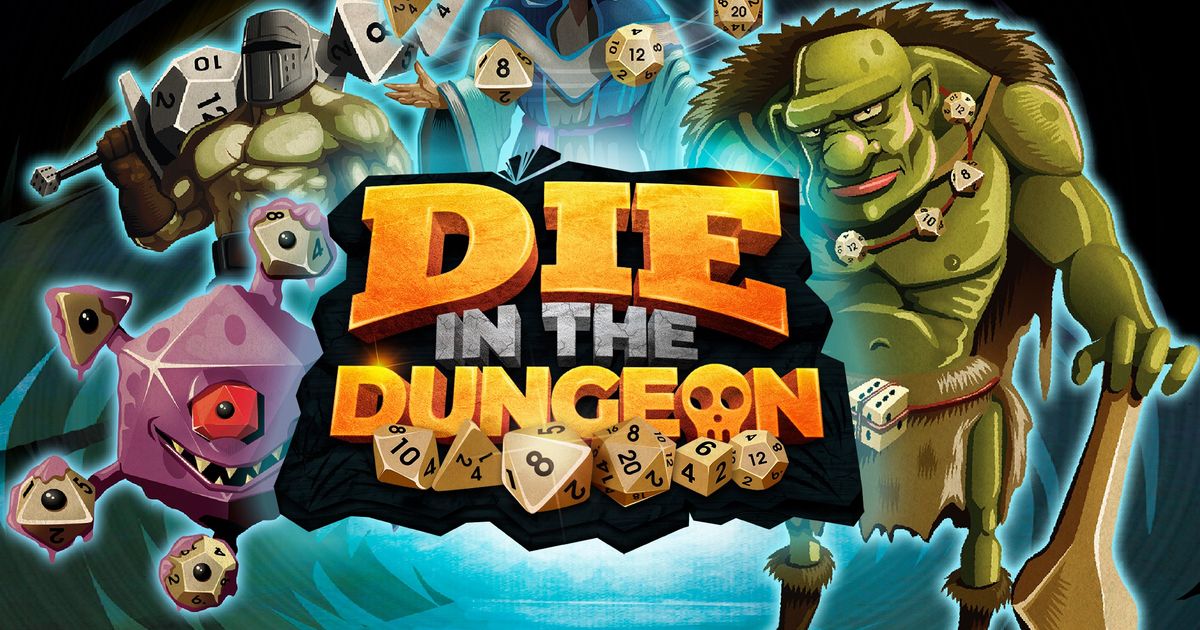







Die in the Dungeon: The Brilliant Dice Roguelike That Redefines Strategy Gaming
Introduction
There’s no shortage of roguelike games on the market—but every now and then, one comes along that genuinely feels fresh. Die in the Dungeon is exactly that kind of game.
Instead of relying on traditional card-based mechanics like many modern roguelikes, this game introduces a bold twist: dice are your deck. Every roll, every placement, and every decision becomes a high-stakes calculation where luck meets strategy.
But don’t let the randomness fool you—this isn’t a game of chance. It’s a game of mastery. And once it clicks, it becomes incredibly hard to put down.
A New Take on Roguelike Deckbuilding
At its core, Die in the Dungeon blends three powerful elements:
- Roguelike progression
- Turn-based tactical combat
- Deckbuilding… reimagined through dice
Instead of drawing cards, you roll a set of dice each turn. These dice represent your abilities—attacks, defense, healing, and special effects. The twist? You don’t just use them—you place them strategically on a board.
That simple change transforms the entire experience.
Gameplay Deep Dive: Where Every Move Matters
Dice Are Your Weapons
Each die is more than just a number—it’s a tool with a purpose.
You’ll encounter dice that:
- Deal direct damage
- Absorb incoming attacks
- Multiply or enhance other dice
- Trigger chain reactions
The real strategy lies in how these dice interact. A single well-placed die can amplify your entire turn, while a poor placement can waste your best roll.
The Board Is Your Battlefield
Unlike traditional deckbuilders, where actions are automatic, Die in the Dungeon introduces a grid-based placement system.
This means:
- Positioning matters
- Order matters
- Synergy matters
Think of it like chess—but with dice and constantly changing rules. Every turn becomes a puzzle you must solve under pressure.
Turn-Based Combat with Real Tension
Combat is turn-based, but it never feels slow.
Enemies clearly signal their next move, giving you just enough information to plan ahead. But you’re always facing tough choices:
- Do you block incoming damage or go for a risky attack?
- Do you save your best dice for later or use them now?
Every turn feels meaningful—and sometimes brutal.
Building Your “Dice Deck”
As you progress through the dungeon, you’ll collect new dice and shape your build.
You can:
- Add powerful new dice
- Upgrade existing ones
- Remove weak or useless pieces
This creates a satisfying progression system where your build evolves with every decision.
The best runs aren’t about luck—they’re about building synergy.
Relics: Game-Changing Power-Ups
Relics add another layer of depth. These passive bonuses can completely change how you play.
Some relics might:
- Increase dice values
- Duplicate effects
- Alter core mechanics
But here’s the catch—many relics come with trade-offs. That means every choice carries weight.
The Roguelike Loop: Why It’s So Addictive
Like all great roguelikes, Die in the Dungeon thrives on repetition—but never feels repetitive.
Each run is different because:
- Enemies are randomized
- Rewards vary
- Builds evolve unpredictably
You’ll fail. A lot.
But every failure teaches you something new. And that “one more run” feeling? It hits hard here.
What Truly Sets It Apart
1. Dice Instead of Cards
This isn’t just a gimmick—it fundamentally changes how you think. You’re no longer managing a hand. You’re managing probability, positioning, and timing.
2. Strategy Over Luck
Yes, dice involve randomness—but smart players will consistently outperform lucky ones. Skill always wins in the long run.
3. Constant Decision-Making
There’s no autopilot here. Every turn, every relic, every upgrade forces you to think.
4. Clean Yet Deep Design
The game is easy to learn but difficult to master—a rare balance that keeps players engaged for hours.
5. High Skill Ceiling
As you improve, you’ll start noticing deeper strategies, better synergies, and more efficient builds.
Advanced Strategies to Win More Runs
Build Around Synergy
Don’t just collect strong dice—collect dice that work together. A combo-focused build will outperform random power every time.
Control the Board
Always think about placement. A good position can double your effectiveness without needing better rolls.
Don’t Overload Your Build
Too many dice can dilute your strategy. Keep your setup focused and efficient.
Anticipate Enemy Turns
Since enemies telegraph their moves, use that information. Plan your turn around what’s coming—not just what’s happening now.
Take Smart Risks
Sometimes the best rewards come from the toughest fights. But don’t gamble blindly—know when to play safe.
Learn From Every Failure
Every lost run is valuable. Pay attention to what went wrong and adjust your strategy next time.
Who Should Play Die in the Dungeon?
This game is a perfect fit for players who:
- Love strategy and tactical thinking
- Enjoy roguelikes like Slay the Spire
- Appreciate indie innovation
- Want a game that rewards skill over time
If you like solving problems under pressure, this game will feel incredibly satisfying.
The Experience: Simple on the Surface, Deep at Its Core
What makes Die in the Dungeon so compelling isn’t flashy graphics or complex storytelling—it’s the clarity of its design.
Everything serves the gameplay:
- Clean visuals keep your focus on strategy
- Simple mechanics hide deep complexity
- Fast runs encourage experimentation
It’s the kind of game where you start casually—and suddenly realize you’ve been playing for hours.
Final Thoughts
Die in the Dungeon proves that innovation in gaming doesn’t require reinventing everything—just rethinking one core idea.
By swapping cards for dice and adding tactical placement, it creates an experience that feels both familiar and completely new.
It’s challenging, rewarding, and endlessly replayable. Whether you’re chasing the perfect build or just trying to survive one more floor, the game keeps pulling you back in.
If you’re ready for a roguelike that actually makes you think—and rewards you for it—then it’s time to roll the dice and step into the dungeon.